How to Protect Your Pipes From Freezing This Winter in Georgia
How to Protect Your Pipes From Freezing This Winter in Georgia
When winter temperatures drop across Georgia, your plumbing system can face a problem that many homeowners don’t think about until it’s too late. Freezing temperatures can cause water inside your pipes to expand, potentially leading to cracks, leaks, or even a burst pipe.
While Georgia winters are generally milder than those in colder parts of the country, Newnan homeowners can still experience freezing conditions. Taking a few preventive steps before temperatures fall can help protect your plumbing and reduce the risk of costly damage.
If you’re looking for frozen pipes in Newnan, GA prevention tips, here’s what you should know before the next cold snap.
Why Can Pipes Freeze in Georgia?
Pipes freeze when temperatures become cold enough for the water inside them to turn into ice. As the water freezes and expands, it can create significant pressure inside the pipe.
Exterior pipes, pipes located in unheated areas, and plumbing near poorly insulated walls are particularly vulnerable. Even a short period of freezing temperatures can create problems if your plumbing isn’t properly protected.
That’s why frozen pipe prevention is worth taking seriously, even during a relatively short Georgia cold spell.
1. Insulate Exposed Pipes
One of the simplest ways to protect your plumbing is to add insulation around exposed pipes. Pay particular attention to pipes located in garages, crawl spaces, attics, basements, exterior walls, and other areas that aren’t heated.
Pipe insulation helps slow down heat loss and provides an additional layer of protection when outdoor temperatures drop. It can be especially helpful for plumbing located in areas where cold air can circulate.
2. Disconnect Outdoor Hoses
Before freezing weather arrives, disconnect garden hoses from outdoor faucets. Leaving a hose connected can trap water inside the faucet or connected pipe, increasing the risk of freezing and damage.
After disconnecting hoses, make sure your outdoor plumbing is properly protected. This small seasonal task can be an important part of your overall winter plumbing tips checklist.
3. Protect Your Outdoor Faucets
Outdoor faucets are exposed directly to changing temperatures, which makes them more vulnerable during a freeze. Faucet covers can provide an extra layer of insulation and help protect the plumbing behind the fixture.
If your home has older outdoor plumbing or you’ve experienced problems during previous cold snaps, consider having those lines inspected before winter arrives.
4. Keep Your Home Warm During Cold Weather
Keeping your home’s interior temperature consistent can help protect plumbing located inside exterior walls and other vulnerable areas.
If you’re leaving your Newnan home during a winter trip or extended absence, avoid turning the heat completely off. Maintaining a reasonable indoor temperature can help reduce the chance of pipes becoming cold enough to freeze.
5. Open Cabinets Under Sinks
During particularly cold weather, opening the cabinet doors underneath kitchen and bathroom sinks can allow warmer indoor air to circulate around plumbing.
This can be especially helpful when sinks are located along exterior walls. Just make sure household cleaners, chemicals, and other potentially hazardous items are kept safely away from children and pets.
6. Let Faucets Drip During Extreme Cold
When temperatures are expected to remain extremely low, allowing a small amount of water to flow through vulnerable faucets may help reduce the likelihood of freezing.
Moving water is less likely to freeze than standing water. If you’re unsure which fixtures should be left dripping or you’re concerned about a particular section of plumbing, a professional plumber can help determine the best approach for your home.
7. Know the Warning Signs of Frozen Pipes
Catching a frozen pipe early may help limit the damage. If a pipe freezes, you may notice changes in your home’s water supply before a pipe actually bursts.
Watch for these potential warning signs:
- Little or no water coming from a faucet
- A noticeable decrease in water flow
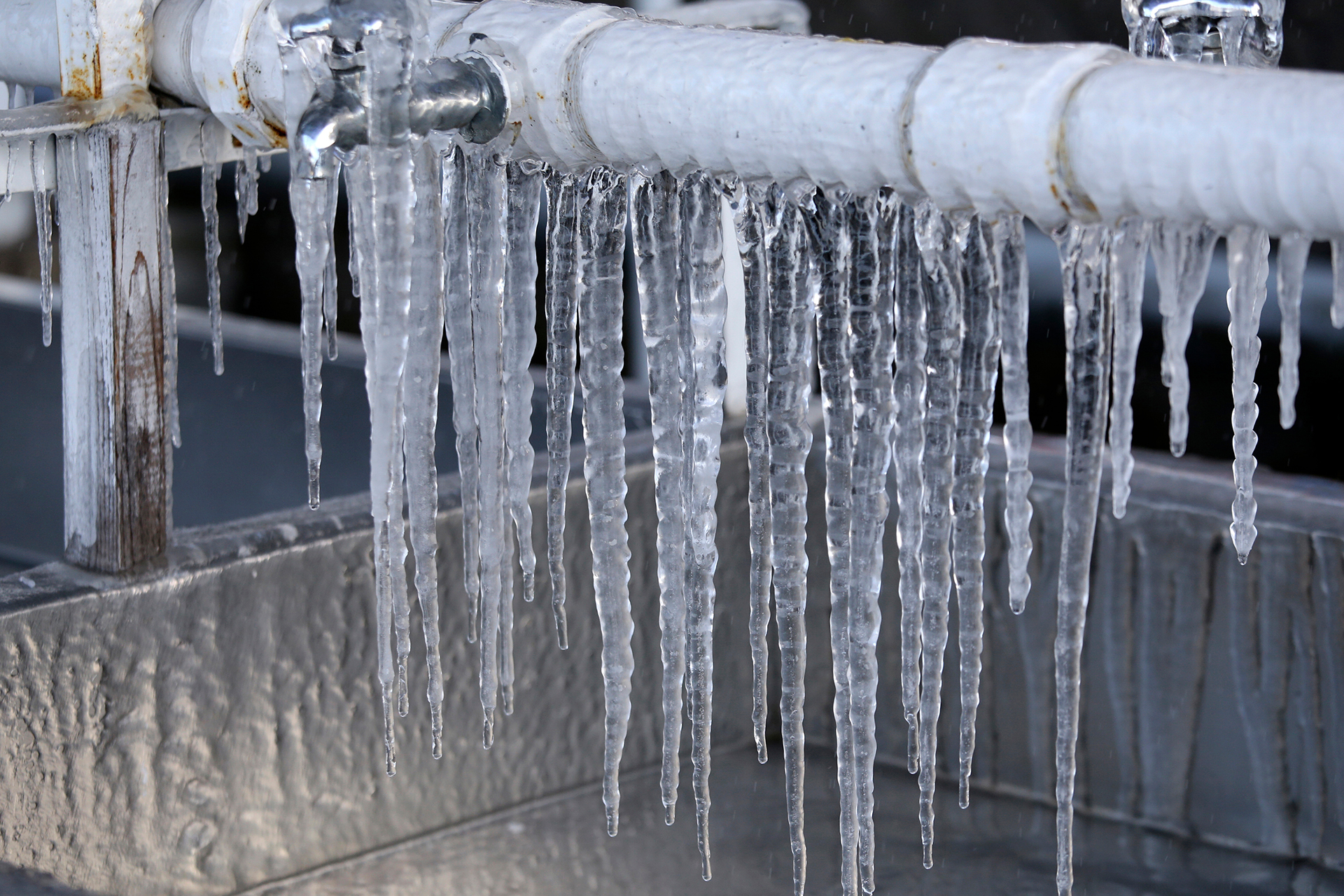
- Frost or ice visible on an exposed pipe
- Unusual sounds when turning on a faucet
- Water appearing around a pipe or plumbing connection
- A sudden increase in moisture around walls, ceilings, or floors
If you suspect a pipe has frozen, don’t ignore the problem. A frozen section can eventually crack or burst as pressure builds.
What Should You Do If a Pipe Freezes?
If you suspect a frozen pipe, start by turning off your home’s main water supply if you can safely access it. This can help limit water damage if the pipe has already cracked.
Never use an open flame or another extreme heat source to thaw a pipe. Sudden or excessive heat can damage the plumbing and create additional safety risks.
If you aren’t sure where the frozen section is located or you see signs of a leak, it’s best to contact a professional who can assess the situation safely.
What Happens When a Frozen Pipe Bursts?
A pipe doesn’t necessarily burst at the exact location where ice forms. Freezing can create pressure between the ice blockage and a closed section of the plumbing system, potentially causing a weak portion of the pipe to crack.
Once the pipe begins to thaw, water can escape through the damaged area. That’s why a frozen pipe can turn into a significant leak seemingly out of nowhere.
If you discover a burst pipe, shut off the main water supply and contact a professional for burst pipe repair in Newnan, GA as soon as possible.
When to Call an Emergency Plumber
Some winter plumbing issues can’t wait until regular business hours. If a pipe has burst, water is actively leaking, or you cannot safely shut off the water supply, professional help may be needed immediately.
An emergency plumber in Newnan can help locate the source of the leak, shut down the affected water supply, and determine what repairs are necessary to restore your plumbing.
Acting quickly can also help minimize the potential for water damage to flooring, walls, ceilings, cabinets, and personal belongings.
Your Winter Plumbing Checklist
Before the next major temperature drop, take a few minutes to prepare your home’s plumbing. Add these tasks to your seasonal checklist:
- Insulate exposed pipes: Pay special attention to unheated areas.
- Disconnect outdoor hoses: Remove hoses before freezing temperatures arrive.
- Cover outdoor faucets: Add protection to vulnerable exterior fixtures.
- Check vulnerable areas: Look around crawl spaces, garages, attics, and exterior walls.
- Keep the heat on: Maintain a consistent indoor temperature during cold weather.
- Know your shut-off valve: Make sure you know where it is before an emergency happens.
- Watch for warning signs: Address reduced water flow or unusual moisture quickly.
Protect Your Newnan Home Before the Next Freeze
A little preparation can go a long way when temperatures drop. Insulating exposed plumbing, protecting outdoor faucets, and knowing how to respond to a frozen pipe can all help reduce the risk of serious winter plumbing damage.
Even with good preparation, unexpected plumbing problems can happen. If you experience frozen pipes in Newnan, GA or discover a burst pipe during a cold snap, getting professional help quickly can make a difference.
Need Help With a Frozen or Burst Pipe?
Don’t wait for a small winter plumbing problem to become a major repair. If you suspect a frozen pipe, have a burst pipe, or need help protecting your plumbing before the next freeze, GoRapid Plumbing is here to help Newnan homeowners.
Call GoRapid Plumbing at (770) 883-3997 for professional plumbing service when you need it.
From burst pipe repair in Newnan, GA to seasonal plumbing concerns, our team can help identify the problem and get your home’s plumbing back on track.
0 Comments