Why Does My Toilet Keep Running? Common Causes and When to Call a Plumber
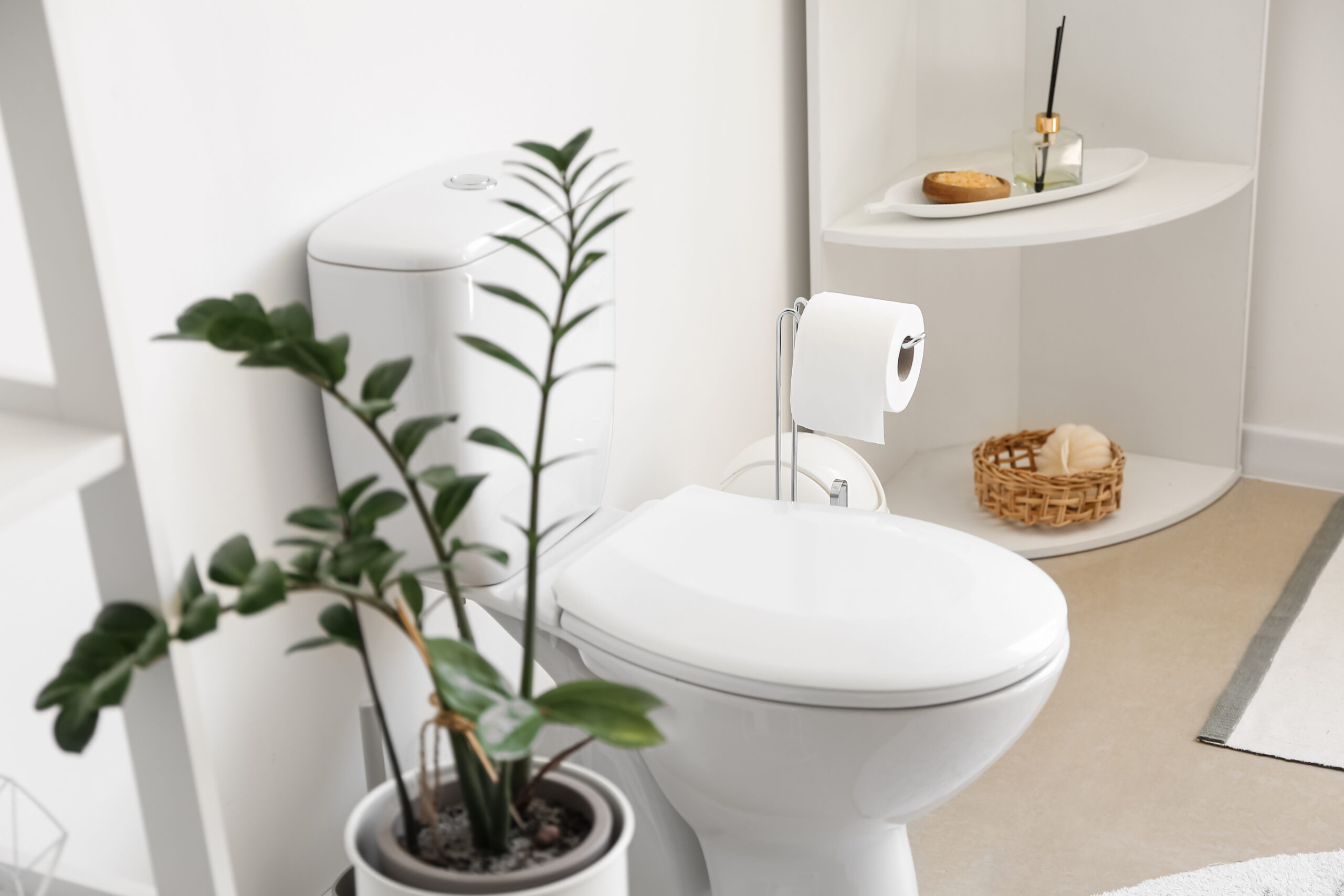
A toilet that keeps running after you flush may seem like a minor annoyance, but it can waste a surprising amount of water over time. You might hear water constantly flowing into the tank, notice the toilet randomly refilling throughout the day, or find that the sound never seems to stop completely.
While some running toilet problems are caused by small, inexpensive components, others may require a closer look at the toilet’s internal plumbing. Ignoring the issue can lead to unnecessary water waste, higher utility bills, and additional wear on your plumbing fixtures.
If you’re dealing with a running toilet in your Newnan, GA home, understanding what causes the problem can help you determine whether a simple adjustment is needed or it’s time to schedule professional toilet repair. Here’s what you should know.
Why Does a Toilet Keep Running After Flushing?
A properly functioning toilet should stop making filling noises shortly after you flush. Once the water leaves the tank, the toilet’s internal components work together to refill it and shut off the water supply at the appropriate level.
When one of these components becomes worn, damaged, or improperly adjusted, water may continue flowing into the tank or leaking into the toilet bowl.
Sometimes the problem is easy to identify, while other times the toilet may run intermittently without any obvious signs of a leak. Either way, a toilet that doesn’t shut off properly is worth addressing before it wastes more water.
1. A Worn or Damaged Flapper
One of the most common reasons a toilet continues running is a faulty flapper. The flapper is a rubber or plastic component located at the bottom of the toilet tank. Its job is to seal the opening that allows water to flow from the tank into the toilet bowl.
When you flush, the flapper lifts to release water into the bowl. Once the flush is complete, it should settle back into place and create a watertight seal.
Over time, flappers can deteriorate, warp, crack, or become covered with mineral deposits. When this happens, the seal may not close properly, allowing water to continuously leak from the tank into the bowl.
You may notice that the toilet refills frequently even when nobody has used it. Replacing a worn flapper often resolves this type of problem, but it’s important to make sure the replacement fits your particular toilet model.
2. The Fill Valve Isn’t Shutting Off
The fill valve controls how water enters the toilet tank after each flush. Once the tank reaches the appropriate water level, the valve should automatically stop the flow of water.
If the fill valve becomes worn, damaged, or clogged with sediment, it may not shut off properly. This can cause water to continue entering the tank even after it has refilled.
A faulty fill valve may produce a steady hissing sound, cause the water level to rise too high, or create a toilet that seems to refill constantly.
In some cases, adjusting the valve may help. However, if the internal mechanism is damaged or no longer working correctly, replacing the fill valve may be the better long-term solution.
3. The Float Is Set Too High
Your toilet has a float mechanism that helps regulate how much water enters the tank. As the tank fills, the float rises with the water level and signals the fill valve to shut off.
If the float is positioned too high or becomes stuck, the water may rise above the proper level and flow into the overflow tube. This creates a continuous cycle of filling and draining that can prevent the toilet from shutting off.
Depending on the toilet design, the float may be part of the fill valve assembly or connected to a separate mechanism. A small adjustment may correct the issue, but a damaged or malfunctioning float may need to be replaced.
4. The Flapper Chain Is Too Loose or Too Tight
The chain connecting the toilet handle to the flapper plays an important role in the flushing process. When you press the handle, the chain lifts the flapper so water can leave the tank.
If the chain is too tight, it may prevent the flapper from settling completely back into place. Even a small opening can allow water to escape into the bowl.
On the other hand, if the chain is too loose, it may become tangled underneath the flapper or prevent it from lifting properly when you flush.
The chain should have just enough slack to allow the flapper to close completely without interfering with normal flushing. If the chain is damaged or repeatedly gets caught, it may need adjustment or replacement.
5. The Overflow Tube Is Causing Problems
The overflow tube is a safety feature located inside the toilet tank. It helps prevent the tank from overflowing by directing excess water into the toilet bowl.
If the fill valve allows too much water into the tank, excess water may continuously flow through the overflow tube. This can make it sound like the toilet is constantly flushing or refilling.
A damaged overflow tube can also contribute to water leaks inside the tank, depending on the toilet’s design.
If you notice water consistently entering the overflow tube, the fill valve, float adjustment, or related components should be inspected to determine why the water level isn’t being controlled properly.
6. The Toilet Handle Is Sticking
Sometimes the problem starts with something as simple as the toilet handle. If the handle becomes loose, worn, or stuck in the flush position, it may prevent the flapper from closing correctly.
You might notice that the toilet continues running immediately after flushing or that the handle feels different when you press it.
A sticking handle may need adjustment or replacement. It’s also worth checking the chain connection to make sure it isn’t pulling on the flapper when the handle returns to its normal position.
7. Mineral Buildup Is Affecting Internal Components
Minerals naturally found in household water can accumulate inside toilet components over time. This buildup may interfere with the movement and sealing ability of parts such as the fill valve, flapper, and other internal mechanisms.
When mineral deposits become excessive, components may stick, fail to close completely, or stop functioning as intended.
If your toilet is older or you’ve noticed similar issues with other plumbing fixtures, mineral buildup may be contributing to the problem. A professional inspection can help determine whether cleaning, individual component replacement, or a more extensive repair is necessary.
How to Tell If Your Toilet Is Leaking Water
Not every running toilet makes a noticeable sound. In some cases, water can slowly leak from the tank into the bowl without creating an obvious noise.
One simple way to check for this type of leak is to perform a toilet dye test.
Here’s how it works:
- Remove the toilet tank lid carefully.
- Add a few drops of food coloring to the water inside the tank.
- Avoid flushing the toilet for approximately 10 to 15 minutes.
- Check the toilet bowl to see whether any colored water has appeared.
If colored water appears in the bowl without flushing, water is likely leaking from the tank. A worn flapper is a common cause, although other internal components may also be responsible.
This test can help identify a hidden toilet leak, but it won’t necessarily tell you which component needs attention.
How Much Water Can a Running Toilet Waste?
A running toilet can waste considerably more water than most homeowners realize. The amount depends on the size of the leak and how quickly water is escaping from the tank.
Even a small, continuous leak can add up over several days or weeks. A more significant leak may waste hundreds of gallons of water in a single day.
You may notice the impact through:
- Unexpected increases in your monthly water bill.
- The sound of water running when nobody is using the bathroom.
- A toilet that frequently refills throughout the day.
- Water that continues flowing into the toilet bowl.
- A water meter that continues moving when all fixtures are turned off.
Addressing a running toilet early can help reduce unnecessary water consumption and prevent a relatively small plumbing issue from becoming an ongoing expense.
Can You Fix a Running Toilet Yourself?
Some running toilet problems can be corrected with basic adjustments. If you’re comfortable working with the toilet tank, there are a few things you can check before calling a plumber.
Start with these simple troubleshooting steps:
- Check the flapper: Make sure it sits evenly over the flush valve opening and isn’t visibly damaged.
- Inspect the chain: Look for excessive slack, tangles, or a chain that is pulling the flapper open.
- Check the water level: Make sure the water isn’t rising above the recommended level or flowing into the overflow tube.
- Listen for unusual sounds: Pay attention to hissing, constant filling, or intermittent refilling.
- Look for visible damage: Check for worn rubber components, loose connections, or signs of corrosion inside the tank.
If the problem continues after basic adjustments, avoid repeatedly replacing parts without identifying the actual cause. A professional plumber can inspect the entire flushing mechanism and determine which components need repair.
When Should You Call a Plumber for Toilet Repair?
While some toilet problems are relatively simple, others require professional attention. Knowing when to call a plumber can help you avoid wasting water or causing additional damage to your bathroom plumbing.
Consider scheduling professional toilet repair if you experience any of the following:
- The toilet won’t stop running: If water continues flowing despite adjustments, an internal component may need replacement.
- Your water bill suddenly increases: A hidden toilet leak may be wasting water even when you don’t hear it running.
- The toilet frequently clogs or flushes poorly: Repeated flushing problems may point to an issue beyond the tank components.
- Water is leaking around the base: Moisture around the bottom of the toilet may indicate a failed wax ring, loose connection, or another plumbing issue.
- The tank components keep failing: Repeated problems may mean several internal parts are worn or the toilet needs more extensive attention.
- You notice cracks in the tank or bowl: Cracked porcelain can cause leaks and may require toilet replacement rather than repair.
If water is actively overflowing or leaking onto the bathroom floor, turn off the toilet’s water supply using the shut-off valve near its base, if it is safe to do so. Contact a plumber promptly to prevent additional water damage.
Should You Repair or Replace Your Toilet?
Not every toilet problem requires a completely new fixture. In many situations, replacing an individual component is enough to restore normal operation.
However, there are times when replacing the entire toilet may be the more practical option.
A repair may make sense when:
- The toilet is otherwise in good condition.
- The problem is limited to a worn flapper, fill valve, handle, or chain.
- The toilet flushes properly once the faulty component is corrected.
- There are no cracks or significant structural issues.
Replacement may be worth considering when:
- The porcelain tank or bowl is cracked.
- The toilet requires frequent repairs.
- The fixture is outdated and no longer meets your household’s needs.
- Repair costs are becoming difficult to justify compared with installing a new toilet.
- You want to upgrade to a newer, more water-efficient model.
A professional plumber can evaluate the condition of your toilet and explain whether repairing the existing fixture or replacing it would be the better investment.
How to Prevent Future Toilet Problems
A little routine attention can help keep your toilet working properly and reduce the likelihood of unexpected plumbing problems.
Here are a few habits worth adding to your regular home maintenance routine:
- Don’t flush anything other than toilet paper and human waste: Wipes, paper towels, and other materials can contribute to clogs and drainage problems.
- Pay attention to unusual sounds: A toilet that randomly refills or makes constant hissing noises may have an internal leak.
- Check inside the tank periodically: Look for worn components, loose chains, and water levels that seem unusually high.
- Avoid harsh chemical cleaners: Certain in-tank cleaning products can accelerate the deterioration of rubber and plastic components.
- Address small problems early: Don’t wait for a minor leak or flushing issue to become a larger plumbing repair.
Paying attention to how your toilet operates can help you catch problems early and keep your bathroom plumbing functioning as it should.
Reliable Toilet Repair in Newnan, GA
A constantly running toilet isn’t something you should have to put up with. Whether the problem is a worn flapper, faulty fill valve, damaged handle, or another internal component, identifying the cause is the first step toward getting things back to normal.
For homeowners in Newnan and surrounding Coweta County communities, GoRapid Plumbing provides dependable plumbing solutions with a focus on quality workmanship, honest recommendations, and service you can feel confident about.
Our team can help identify what’s causing your toilet problems, explain your repair options, and recommend a practical solution for your home.
Need Help With a Running Toilet?
Don’t let a running toilet waste water or drive up your utility bills. If your toilet won’t stop running, keeps refilling on its own, or isn’t flushing the way it should, GoRapid Plumbing is here to help.
Call GoRapid Plumbing at (770) 883-3997 to schedule professional toilet repair in Newnan, GA.
From everyday toilet problems to more involved plumbing repairs, our local team is ready to help get your home’s plumbing back on track.
0 Comments