
Tankless vs. Traditional Water Heaters: Which Is Right for Your Home?
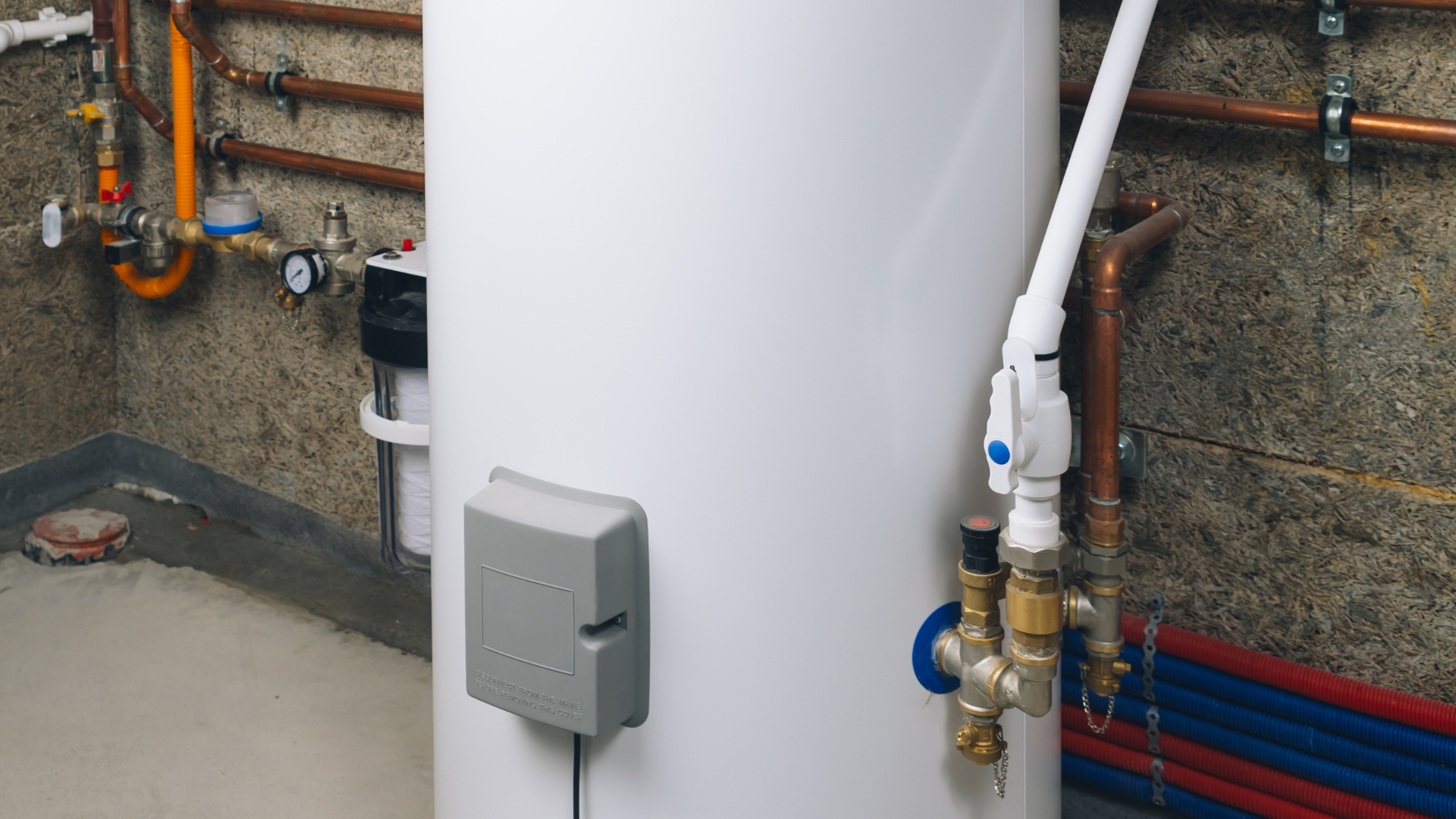
Hot water is something most homeowners rely on every day, whether it’s for taking a shower, washing dishes, doing laundry, or cleaning around the house. But when your water heater starts getting older or you’re planning an upgrade, you may find yourself comparing two popular options: tankless and traditional water heaters.
Both systems are designed to provide the hot water your household needs, but they work in different ways. One stores and heats water in a tank, while the other heats water as it flows through the system. Each has advantages depending on your home’s layout, hot water usage, budget, and long-term goals.
If you’re considering a tankless water heater installation or replacing an older traditional unit, understanding the differences can help you make a more confident decision. Here’s what Newnan, GA homeowners should know before choosing their next water heater.
How Does a Traditional Water Heater Work?
A traditional water heater uses an insulated storage tank to hold a supply of hot water. The system heats the water inside the tank and keeps it at a set temperature until someone in your home needs it.
When you turn on a hot water faucet, water travels from the tank through your plumbing system and to the fixture you’re using. As hot water leaves the tank, cold water enters to replace it, and the heating system begins warming the new supply.
Traditional water heaters are available in different tank sizes, making it possible to select a unit based on your household’s typical hot water demands. They are also a familiar option for many homeowners and can often be installed without making major changes to an existing plumbing setup.
How Does a Tankless Water Heater Work?
Unlike a traditional system, a tankless water heater does not store a large supply of hot water. Instead, it heats water as it passes through the unit when a hot water tap or appliance is turned on.
When you need hot water, cold water flows through the system and is heated by a gas burner or electric heating elements. The heated water then travels directly to the fixture or appliance.
Because the system heats water on demand, you don’t have to wait for a storage tank to refill and reheat after the hot water supply has been used. This can be especially appealing for households that want a more compact system or are interested in improving their overall water heating efficiency.
Tankless vs. Traditional Water Heaters: Key Differences
While both systems serve the same basic purpose, there are several important differences worth considering before making a decision.
1. Hot Water Supply
One of the biggest differences is how each system handles your household’s hot water needs.
A traditional water heater provides hot water from its storage tank. Once that supply is used, the system needs time to heat additional water. This can become noticeable when multiple family members take showers, run the dishwasher, or use other hot water appliances around the same time.
A tankless system heats water as needed, so it doesn’t run out of stored hot water in the same way a traditional tank can. However, each unit has a maximum flow rate. If several fixtures are using hot water simultaneously, the system may struggle to keep up if it isn’t properly sized.
For larger households in Newnan, choosing the right system capacity is important. A professional plumber can evaluate your expected usage and help determine which option makes the most sense.
2. Energy Efficiency
Energy usage is another factor that can influence your decision. Traditional water heaters continuously maintain the temperature of the water inside the tank, even when nobody is using hot water. This creates what is known as standby heat loss.
Tankless systems avoid most of this standby energy loss because they heat water only when there is demand. Depending on your household’s hot water habits, this may help reduce the amount of energy needed to operate your water heater.
Actual energy savings will depend on the equipment, fuel type, installation, household usage, and utility rates. It’s worth comparing the efficiency ratings of individual models rather than assuming every tankless system will automatically lower your monthly bills.
3. Installation Costs
The initial cost of installing a water heater can vary considerably depending on the system you choose and the existing setup in your home.
Traditional water heaters are often less expensive to purchase and install, particularly when replacing an existing tank with a similar model. In many cases, the existing plumbing and connections can be used with fewer modifications.
A tankless water heater installation may involve a higher upfront investment. Depending on the model and your home’s current setup, additional work may be needed for gas lines, electrical capacity, ventilation, or water connections.
That doesn’t necessarily mean one option is better than the other. It’s important to consider both the initial installation cost and the potential operating costs over the life of the system.
4. Space Requirements
If storage space is limited in your home, a tankless water heater may offer a noticeable advantage.
Traditional water heaters require enough room to accommodate a storage tank, which can take up valuable space in a utility closet, garage, basement, or other designated area.
Tankless units are generally much smaller and can often be mounted on a wall. This frees up floor space and may provide more flexibility when planning your home’s utility area.
However, the location of a tankless unit still needs to meet manufacturer requirements and applicable installation codes. Venting, clearances, and access for future maintenance should all be considered.
5. Lifespan and Maintenance
The expected lifespan of your water heater is another consideration, especially if you’re planning to stay in your home for several years.
Traditional tank water heaters commonly last around 8 to 12 years, although actual lifespan depends on water quality, maintenance, usage, and the condition of the equipment.
Tankless water heaters can often last around 15 to 20 years or longer when properly maintained. Their longer potential lifespan can make them appealing to homeowners who are thinking beyond the initial purchase price.
Both systems require maintenance. Traditional units may need periodic tank flushing and anode rod inspections, while tankless systems may require descaling and cleaning to address mineral buildup. Following the manufacturer’s maintenance recommendations can help keep either system operating properly.
6. What Happens When You Need Hot Water in Multiple Rooms?
Your household’s daily routine can have a big impact on which water heater is the better fit.
For example, imagine someone is taking a shower while another family member starts the dishwasher and someone else turns on the kitchen faucet. A traditional water heater may struggle if the household’s demand exceeds the amount of hot water stored in the tank.
A properly sized tankless system can handle multiple hot water demands within its rated flow capacity. However, if too many fixtures operate at once, the system may not be able to maintain the desired temperature and flow rate.
Before choosing a system, consider how many people live in your home, how frequently hot water is used, and whether multiple appliances or bathrooms are commonly used at the same time.
Pros and Cons of Traditional Water Heaters
A traditional water heater may be the right choice if you want a familiar system with a lower initial installation cost. Here’s a quick look at some of its advantages and disadvantages:
- Lower upfront cost: Traditional systems are often less expensive to purchase and install.
- Straightforward replacement: Replacing an existing tank with a similar model may require fewer plumbing modifications.
- Familiar technology: Many homeowners and plumbing professionals are already familiar with these systems.
- Limited stored hot water: The available supply can run out during periods of heavy use.
- More space required: The storage tank takes up room in your home.
- Standby heat loss: The system uses energy to keep stored water hot even when it isn’t being used.
Pros and Cons of Tankless Water Heaters
A tankless water heater may be a better fit if you value space savings, on-demand hot water, and potentially improved energy efficiency. However, there are a few things to keep in mind:
- On-demand heating: Water is heated as it flows through the unit instead of being stored in a tank.
- Compact design: The smaller unit can free up valuable floor space.
- Potential energy savings: Heating water only when needed can reduce standby energy loss.
- Longer potential lifespan: Tankless systems can last longer than many traditional tank models with proper care.
- Higher installation cost: The upfront investment may be greater, especially if system upgrades are necessary.
- Flow rate limitations: The unit must be sized correctly to handle your household’s hot water demand.
- Maintenance requirements: Mineral buildup may require periodic flushing or descaling.
Which Water Heater Is Best for Your Newnan Home?
There isn’t one water heater that works best for every household. The right choice depends on your budget, available space, hot water needs, and how long you plan to stay in your home.
A traditional water heater may be a good fit if:
- You want to keep your initial installation costs lower.
- Your existing tank system has been meeting your household’s needs.
- You have enough room for a storage tank.
- You prefer a straightforward replacement with minimal system changes.
A tankless water heater may be worth considering if:
- You want hot water heated on demand.
- You would like to free up space in your utility area.
- You are interested in reducing standby energy loss.
- You are planning to invest in a system with a longer potential service life.
- Your home’s plumbing, gas, or electrical setup can accommodate the equipment.
If you’re still undecided, a professional plumbing evaluation can help you compare your options based on your actual household needs rather than simply choosing the newest technology.
Can You Replace a Traditional Water Heater With a Tankless System?
Yes! Many homeowners choose to upgrade from a traditional storage tank to a tankless system when their existing water heater needs replacement. However, switching systems isn’t always a simple one-for-one swap.
A tankless unit may have different gas, electrical, ventilation, and water connection requirements than your current system. Your home’s existing setup will need to be evaluated to determine whether modifications are necessary.
The installation location, fuel source, household demand, and manufacturer’s specifications all play a role in selecting the right equipment.
Having a qualified plumber assess your home before purchasing a new unit can help prevent unexpected installation expenses and ensure the system is appropriate for your plumbing setup.
Why Professional Water Heater Installation Matters
Whether you choose a tankless or traditional water heater, proper installation is essential. A water heater that is incorrectly sized, improperly connected, or installed without following manufacturer requirements can lead to performance problems and potential safety concerns.
Professional installation helps ensure that the unit is compatible with your home’s plumbing and utility connections. It also gives you an opportunity to ask questions about maintenance, operating costs, and what to expect from your new equipment.
For homeowners in Newnan and surrounding Coweta County communities, working with a local plumbing team makes it easier to get straightforward guidance when deciding which system is right for your home.
Choose the Right Water Heater With Help From GoRapid Plumbing
Choosing between a tankless and traditional water heater doesn’t have to be complicated. Both systems have advantages, and the best option is the one that provides dependable hot water while fitting your household’s needs and budget.
Whether you’re interested in upgrading to a tankless system, replacing an aging storage tank, or simply exploring your options, GoRapid Plumbing is here to help. Our team provides friendly, dependable plumbing service for homeowners throughout Newnan, GA, and the surrounding areas.
Need Help Choosing Your Next Water Heater?
Don’t wait until your household is left without hot water to start thinking about a replacement. If you’re considering a tankless water heater installation or need help choosing a traditional water heater, GoRapid Plumbing can help you understand your options and find a practical solution.
Call GoRapid Plumbing at (770) 883-3997 to discuss your water heater needs and schedule professional plumbing service.
From water heater replacements to new installations, we’re here to help keep your Newnan home’s hot water running reliably.
0 Comments